

The Summer Holidays That Shape Life Across Europe
When people think about summer in Europe, they usually picture beach towns, outdoor cafés, and famous festivals. But one of the easiest ways to understand a country is to pay attention to its public holidays.
Unlike festivals, which often attract visitors from around the world, public holidays are woven into everyday life. They're the days when businesses close, families gather, entire cities slow down, and local traditions take center stage. Some are rooted in religion, others celebrate national identity, and a few have become unofficial markers of the European summer itself.
For travelers, these holidays can be both magical and surprising. You might stumble upon a spectacular fireworks display, a city-wide celebration, or discover that every grocery store in town is suddenly closed.
Here are some of the summer holidays that define the season across Europe.
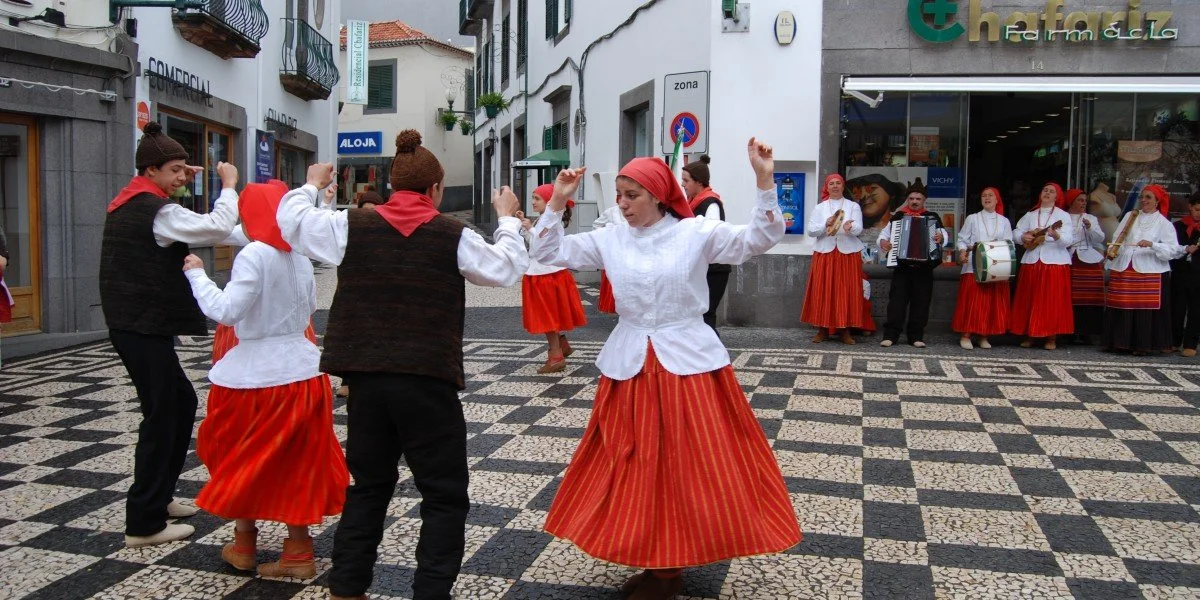
Portugal Day: A Celebration of National Identity
Every year on 10 June, Portugal celebrates Portugal Day, known locally as Dia de Portugal, de Camões e das Comunidades Portuguesas.
The date commemorates the death of Luís de Camões, the sixteenth-century poet often regarded as Portugal's greatest literary figure and the author of Os Lusíadas, the country's national epic. Today, the holiday has evolved into a broader celebration of Portuguese history, culture, and communities around the world.
Official ceremonies are held in different locations each year, while many Portuguese people enjoy a day with family and friends. For visitors, the holiday offers a chance to see a quieter, more reflective form of national pride than the large-scale celebrations often associated with national days elsewhere.
Midsummer: The Holiday That Defines the Nordic Summer
If there is one summer holiday that people in Northern Europe genuinely build their year around, it is Midsummer.
Celebrated in Sweden, Finland, and parts of the wider Nordic region, Midsummer takes place around the summer solstice in late June, when daylight reaches its annual peak.
In Sweden, Midsummer is often compared to Christmas in terms of cultural importance. Families leave cities for the countryside, flower crowns appear everywhere, and traditional meals featuring potatoes, herring, strawberries, and fresh seasonal produce become the centerpiece of gatherings. The holiday's roots stretch back to pre-Christian celebrations tied to nature and the changing seasons. Today, it remains one of Sweden's most cherished traditions.
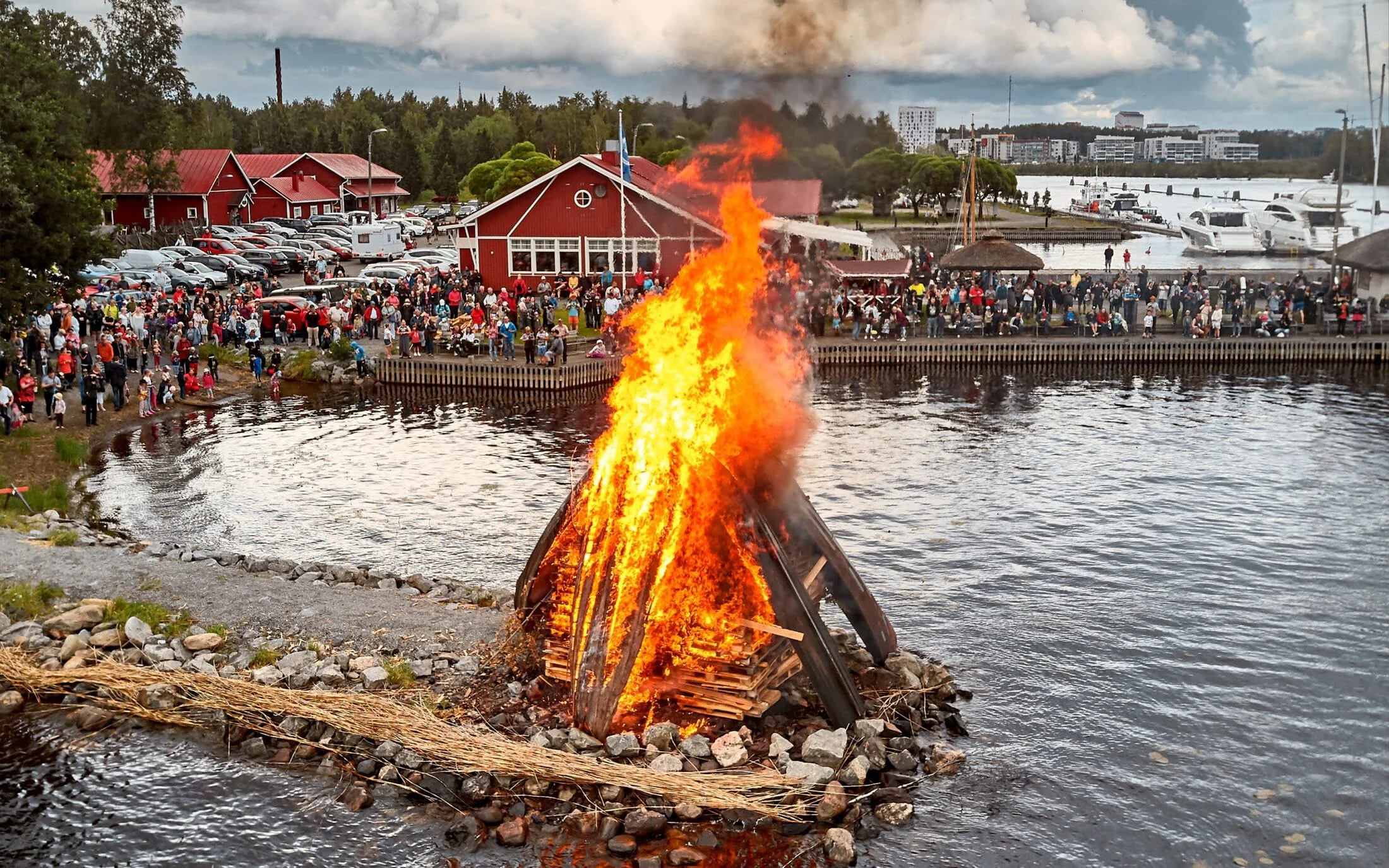
In Finland, Juhannus has a similar significance. Many people head to lakeside cottages, light bonfires, enjoy saunas, and spend time outdoors with family and friends. In a country where winters are long and dark, Midsummer feels like a collective celebration of sunlight itself.
For travelers, the holiday offers a rare opportunity to experience Nordic culture at its most authentic.
Bastille Day: France's Biggest National Celebration
On 14 July, France celebrates Bastille Day, known locally as La Fête Nationale.
The holiday commemorates the storming of the Bastille prison in 1789, one of the defining moments of the French Revolution. Over time, it has become France's national day and a symbol of republican values and national unity.
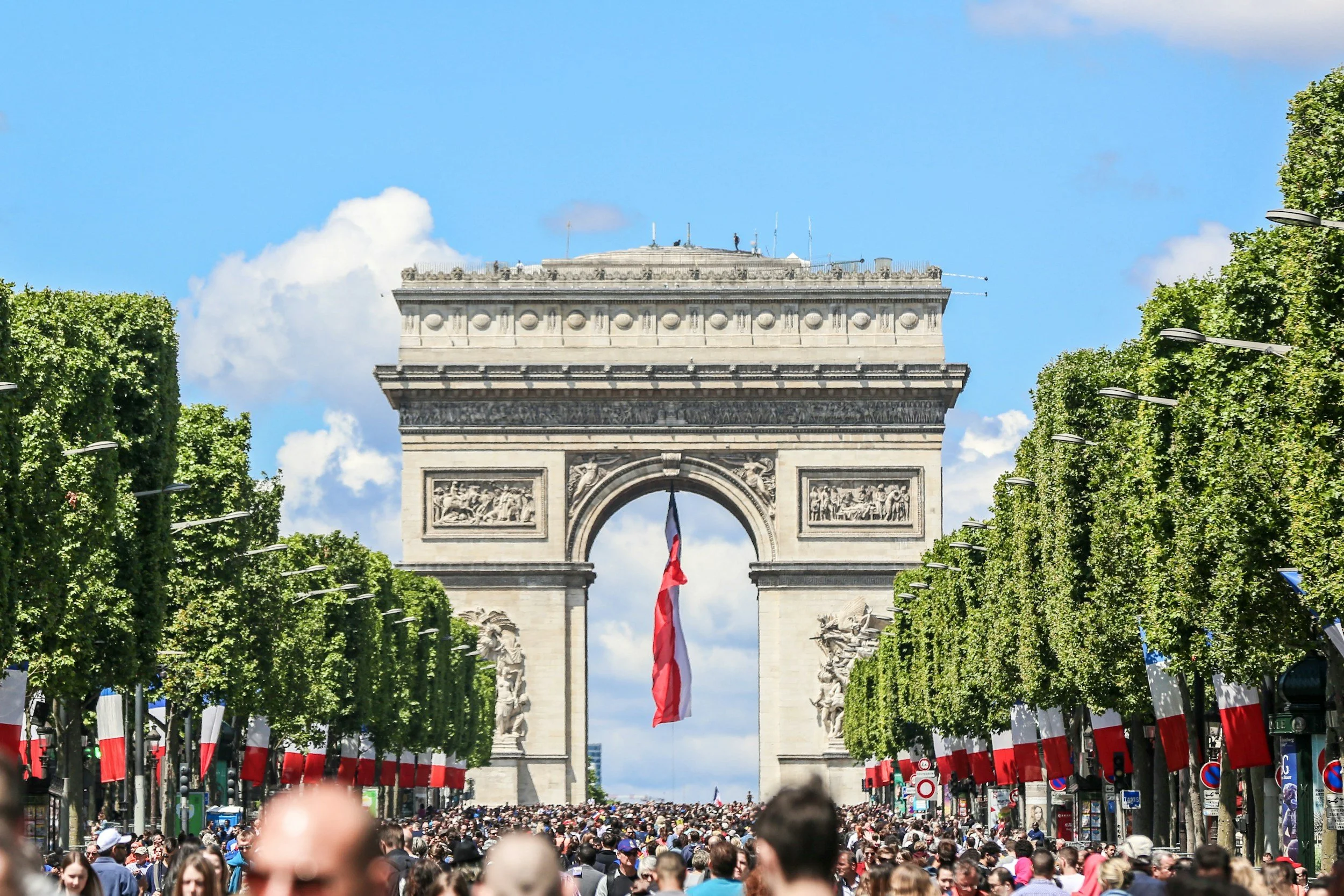
Across the country, towns and cities organize concerts, public gatherings, dances, and fireworks. Paris hosts the most famous events, including a military parade along the Champs-Élysées and an evening fireworks display near the Eiffel Tower.
For visitors, Bastille Day often feels less formal than expected. While the historical significance remains important, much of the day is centered on community celebrations and enjoying summer outdoors.
Assumption Day: The Holiday That Pauses Southern Europe
If you're traveling through Southern Europe on 15 August, prepare for a surprise.
Assumption Day is one of the most widely observed religious holidays in Europe, particularly in Catholic countries such as Portugal, Spain, France, Italy, Austria, Croatia, Belgium, and Poland.
The holiday commemorates the Christian belief that the Virgin Mary was assumed into heaven. While the religious origins remain central for many people, the day has also become an important family holiday and a peak point of the summer vacation season.
Church processions, local celebrations, and community events take place across many towns and villages. At the same time, countless families gather for meals, beach trips, and summer holidays.
For travelers, Assumption Day is notable because many businesses, shops, and public services operate on reduced schedules or close entirely.
Ferragosto: Italy's Favorite Summer Holiday
Although Ferragosto falls on the same day as Assumption Day, Italians often think of it as something entirely its own.
Ferragosto has remarkably ancient origins. The tradition dates back to the Roman Emperor Augustus, who established a period of rest and celebration known as Feriae Augusti more than two thousand years ago. Over centuries, the holiday merged with Christian observances and became one of Italy's most important summer traditions.
Today, Ferragosto marks the unofficial peak of the Italian summer. Cities empty as residents head to beaches, lakes, mountains, and countryside retreats. Restaurants host special meals, coastal resorts fill with visitors, and entire communities embrace a slower pace.
Many Italians describe Ferragosto not simply as a holiday but as the holiday of summer.
For visitors, it's one of the most memorable times to experience Italian culture—provided they've booked accommodations well in advance.
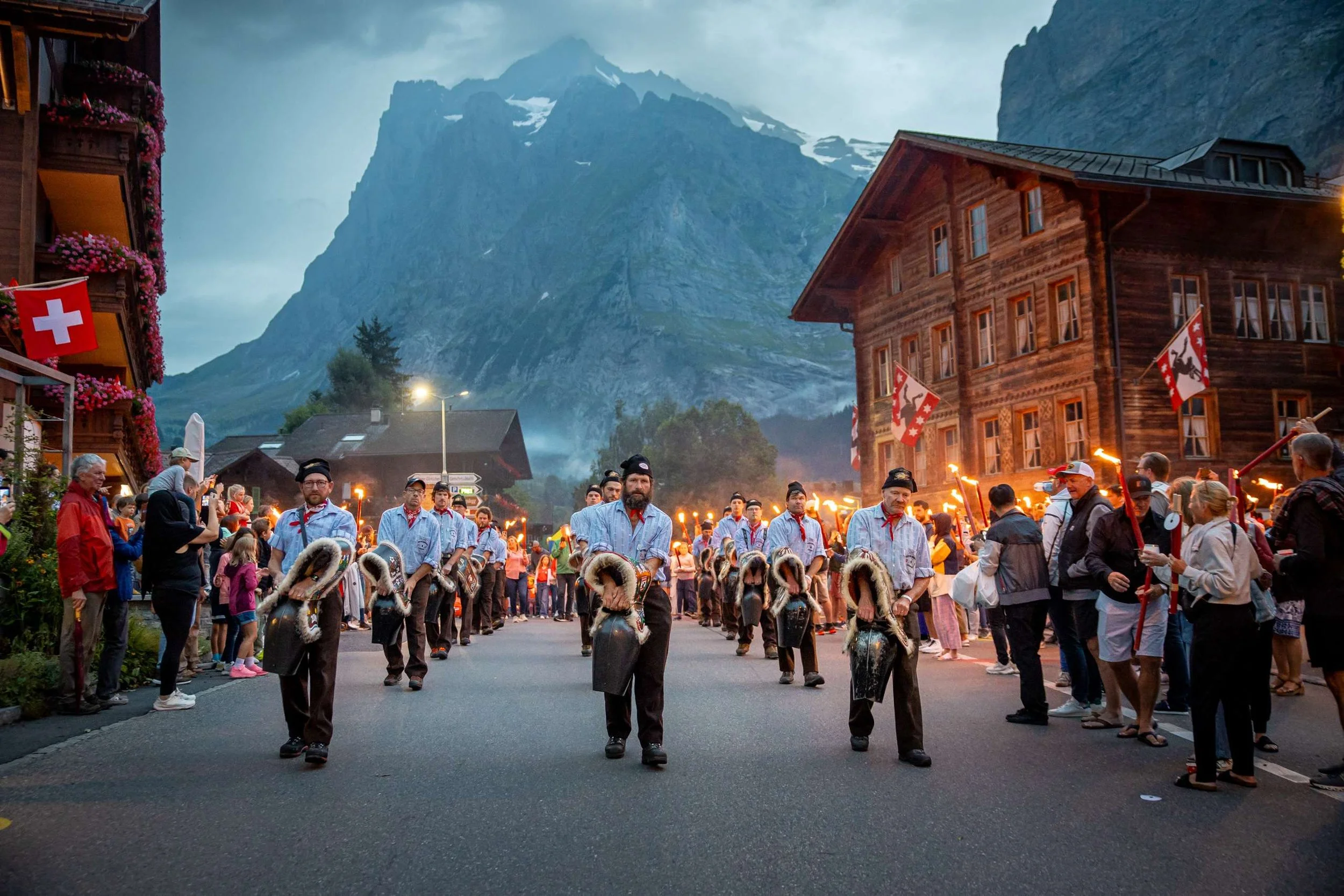
Swiss National Day: Fireworks in the Alps
On 1 August, Switzerland celebrates its National Day.
The holiday commemorates the Federal Charter of 1291, a foundational agreement traditionally associated with the birth of the Swiss Confederation.
Across the country, towns host parades, speeches, concerts, bonfires, and fireworks displays. Mountain villages often create particularly picturesque celebrations, with illuminated peaks and gatherings overlooking alpine landscapes.
Compared to some larger European national holidays, Swiss National Day tends to feel local and community-oriented. It's less about grand spectacles and more about bringing people together.
That atmosphere is precisely what makes it appealing to travelers.
Belgium's National Day
Belgium celebrates its National Day on 21 July.
The holiday marks the anniversary of King Leopold I taking the constitutional oath in 1831, an event widely regarded as the beginning of modern Belgium.
Brussels becomes the focal point of celebrations, hosting military demonstrations, concerts, cultural events, and fireworks. Elsewhere, towns organize their own local festivities.
The holiday provides a fascinating glimpse into Belgium's unique blend of regional identities and national traditions.
St. Stephen's Day: Hungary's Founding Celebration
On 20 August, Hungary observes St. Stephen's Day, one of the country's most important national holidays.
The day honors King Stephen I, Hungary's first king and the founder of the Hungarian state more than a thousand years ago.
Celebrations include public ceremonies, cultural performances, concerts, and one of Europe's largest fireworks displays over the Danube River in Budapest. Traditional bread-making ceremonies are also an important part of the festivities, symbolizing the harvest and national heritage.
For travelers visiting Central Europe in August, it is one of the region's most impressive national celebrations.
Summer Bank Holiday: The UK's Farewell to Summer
Unlike many European summer holidays, the United Kingdom's Summer Bank Holiday isn't tied to a major historical event or religious observance.
Observed on the last Monday of August in England, Wales, and Northern Ireland, the holiday serves as an extra long weekend before autumn begins.
For many people, it marks the unofficial end of summer. Beaches, parks, and tourist destinations are often busy, while major events such as the Notting Hill Carnival take advantage of the holiday weekend.
Its significance comes less from tradition and more from timing. It offers one final opportunity to enjoy summer before schools reopen and routines return.
One thing that's easy to overlook when planning a European summer trip is mobile data. Whether you're navigating the streets of Porto during São João or booking train tickets in Italy during Ferragosto, having reliable internet access makes travel significantly easier. That's why many travelers now use eSIM services like Airalo, which lets you connect to local mobile networks in more than 200 destinations without swapping physical SIM cards or paying expensive roaming fees.
Airalo: https://tp.st/yZU6Hecu