

The Ultimate Guide to Europe’s Summer Festival Season
There’s something different about Europe in the summer.
Yes, the weather is better. The café terraces are full. The beaches are crowded. But what really transforms the continent is festival season. From tomato fights in Spain to all-night street parties in Portugal, from centuries-old horse races in Italy to the world's largest arts festival in Scotland, summer is when Europe feels most alive.
What makes these events special isn't just the entertainment. Many of them have roots that stretch back hundreds of years. Others are surprisingly modern but have grown into cultural phenomena that attract visitors from every corner of the globe. Together, they offer a fascinating glimpse into how Europeans celebrate history, community, religion, music, food, and simply the joy of being outdoors.
If you're planning a summer trip to Europe, or just daydreaming about one, these are some of the festivals worth knowing about.
Midsummer: When Northern Europe Celebrates the Longest Days
If there is one festival that captures the spirit of summer in Northern Europe, it's Midsummer.
In Sweden, Finland, Denmark, and parts of Norway, the celebration takes place around the summer solstice in late June. Long before Christianity arrived, people gathered to mark the longest day of the year. Today, many of those traditions remain remarkably intact.
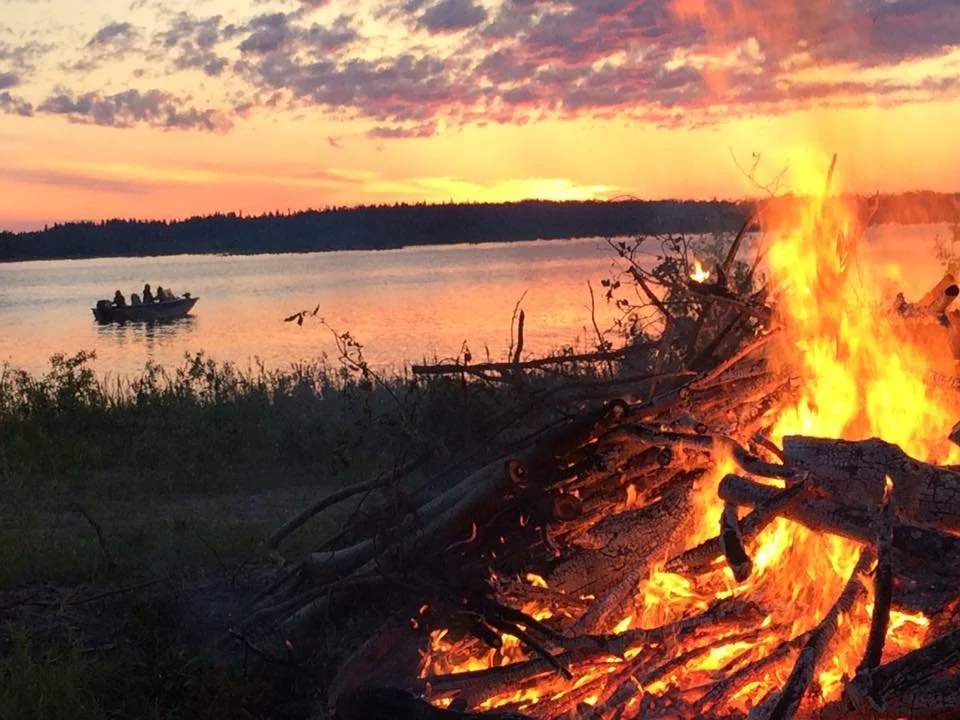
In Sweden, families gather in the countryside to dance around maypoles decorated with flowers. Flower crowns are practically mandatory, traditional songs are sung, and tables fill with herring, potatoes, strawberries, and schnapps. In Finland, many people head to lakeside cottages where bonfires illuminate the almost endless twilight.
What makes Midsummer so memorable isn't a single event or performance—it's the atmosphere. The entire region seems to pause and collectively head outdoors to celebrate light, nature, and the arrival of the short but cherished Nordic summer.
São João: Porto's Biggest Party
If you've never seen thousands of people gently hitting each other with plastic hammers in the street, welcome to Porto's São João Festival.
Held on the night of 23–24 June, São João is one of Portugal's most beloved celebrations. Streets fill with music, grilled sardines, dancing, and fireworks. Locals and visitors wander through neighborhoods until sunrise, stopping for food and joining spontaneous parties.
The festival honors Saint John the Baptist, but over centuries it has absorbed elements of older midsummer celebrations. Today, it feels less like a religious observance and more like a city-wide street party where everyone is invited.
For many Portuguese people, São João is not just Porto's biggest event—it is one of the most joyful nights of the year.
San Fermín: More Than Just the Running of the Bulls
Mention San Fermín and most people immediately think of the famous Running of the Bulls.
Held every July in Pamplona, Spain, the festival attracts visitors from around the world. While the bull runs generate most of the international headlines, they're actually just one part of a much larger celebration honoring Saint Fermín. Historical records connect the festival's traditions to religious celebrations that have evolved over centuries in the city.
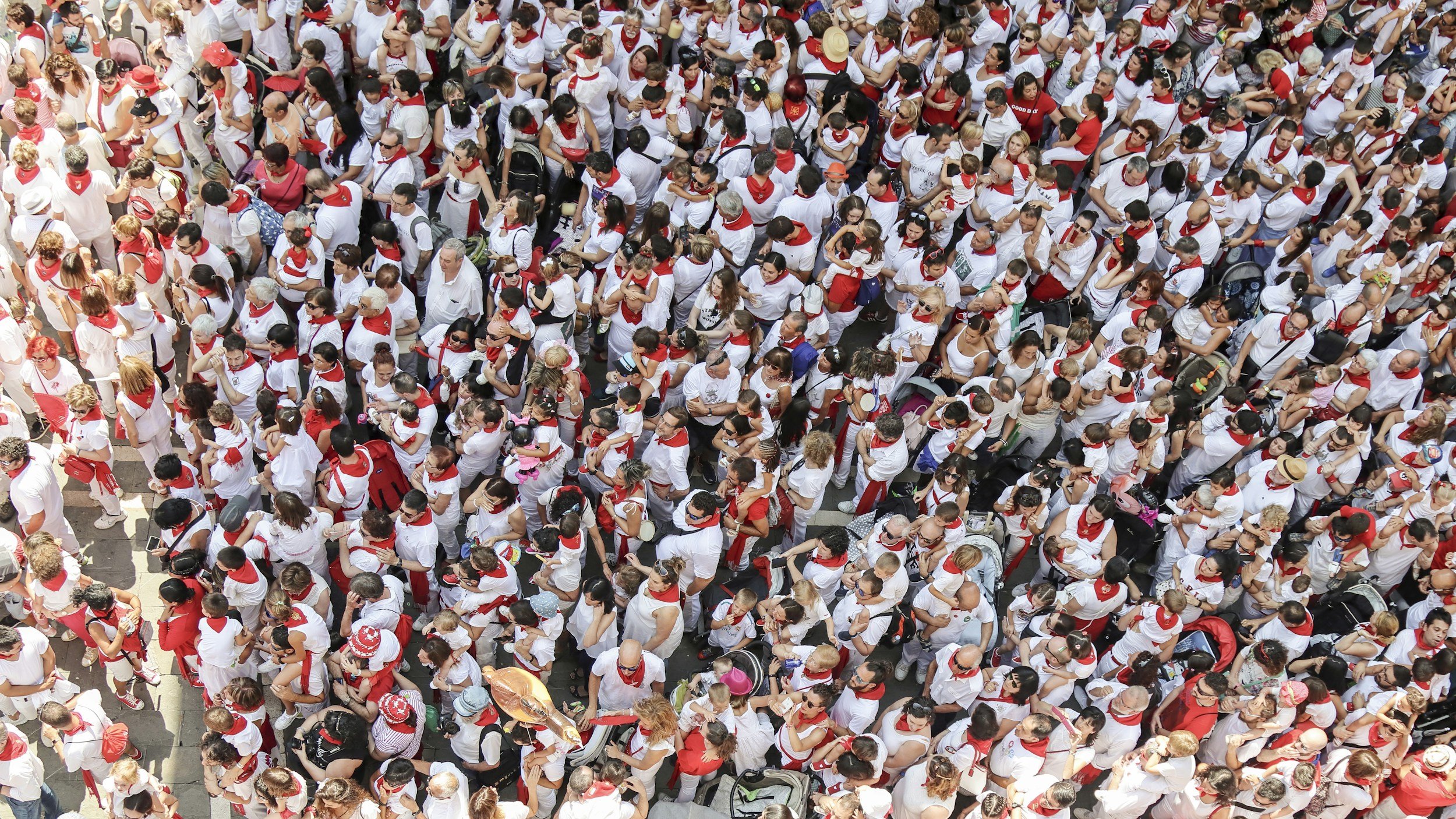
For nine days, Pamplona becomes a sea of white clothing and red scarves. There are concerts, parades, fireworks, traditional dances, religious ceremonies, and nearly nonstop festivities.
Even people with no intention of participating in the bull runs often describe San Fermín as one of the most energetic and unforgettable festivals in Europe.
Bastille Day: France's National Celebration
Every country has a national day, but few celebrate with the scale and symbolism of France's Bastille Day on 14 July.
The holiday commemorates the storming of the Bastille prison in 1789, one of the defining events of the French Revolution. Across the country, cities host fireworks, concerts, community celebrations, and public gatherings.
Paris remains the focal point. Military parades march down the Champs-Élysées, while fireworks light up the sky around the Eiffel Tower.
For visitors, Bastille Day offers a chance to see patriotism expressed not through political speeches but through music, celebration, and a shared sense of national identity.
The Palio di Siena: Medieval Italy Comes Alive
Some festivals feel like historical reenactments.
The Palio di Siena feels like time travel.
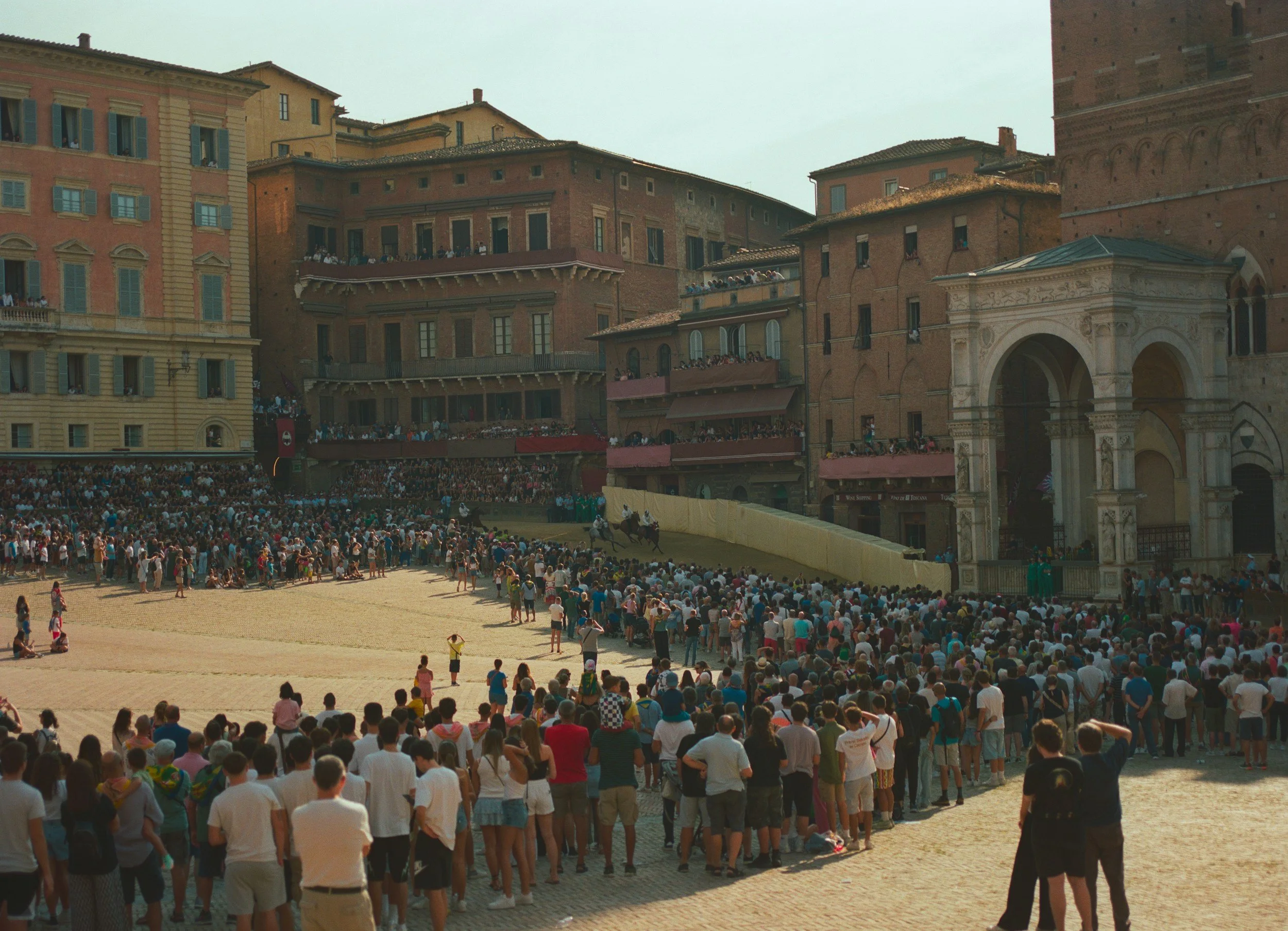
Twice each summer, on 2 July and 16 August, the Tuscan city of Siena stages a horse race unlike any other. Riders represent different city districts, known as contrade, and compete in a dramatic race around the central Piazza del Campo.
The race itself lasts only a few minutes.
The buildup lasts all year.
Local rivalries run deep, traditions are fiercely protected, and residents often describe winning the Palio as one of the proudest moments their neighborhood can experience.
For visitors, it's a rare opportunity to witness a living tradition that has remained central to local identity for centuries.
Tomorrowland: The Modern European Festival Giant
Not every iconic European festival is centuries old.
Tomorrowland, held in Belgium, is a product of the twenty-first century. First staged in 2005, it has grown into one of the world's most recognizable electronic music festivals. Today it welcomes hundreds of thousands of attendees from more than 200 countries and regularly sells out within minutes.
What sets Tomorrowland apart isn't only the music. The event is famous for its elaborate stage designs, fantasy-inspired themes, and production values that resemble a movie set more than a concert venue.
Even people who aren't dedicated EDM fans often put Tomorrowland on their travel bucket lists simply to experience the spectacle.
Edinburgh Fringe: Where Anyone Can Be a Performer
The Edinburgh Festival Fringe may be the most democratic arts festival on Earth.
Its origins are wonderfully rebellious. In 1947, eight theatre groups arrived in Edinburgh without official invitations to the city's new international festival and staged performances anyway. Their shows took place on the "fringe" of the official event, giving the festival its name.
Today, the Fringe has grown into the world's largest performing arts festival. Every August, Edinburgh becomes a giant stage where comedians, actors, musicians, dancers, magicians, and experimental artists perform in theaters, pubs, churches, shipping containers, and sometimes even on the street.
The beauty of the Fringe is that almost anyone can participate. There is no artistic gatekeeper deciding who belongs and who doesn't. That openness remains at the heart of the festival nearly eighty years after its creation.
La Tomatina: The World's Most Famous Food Fight
Every year, a small Spanish town called Buñol becomes the setting for one of the strangest festivals on the planet.
La Tomatina is exactly what it sounds like: a massive tomato fight.
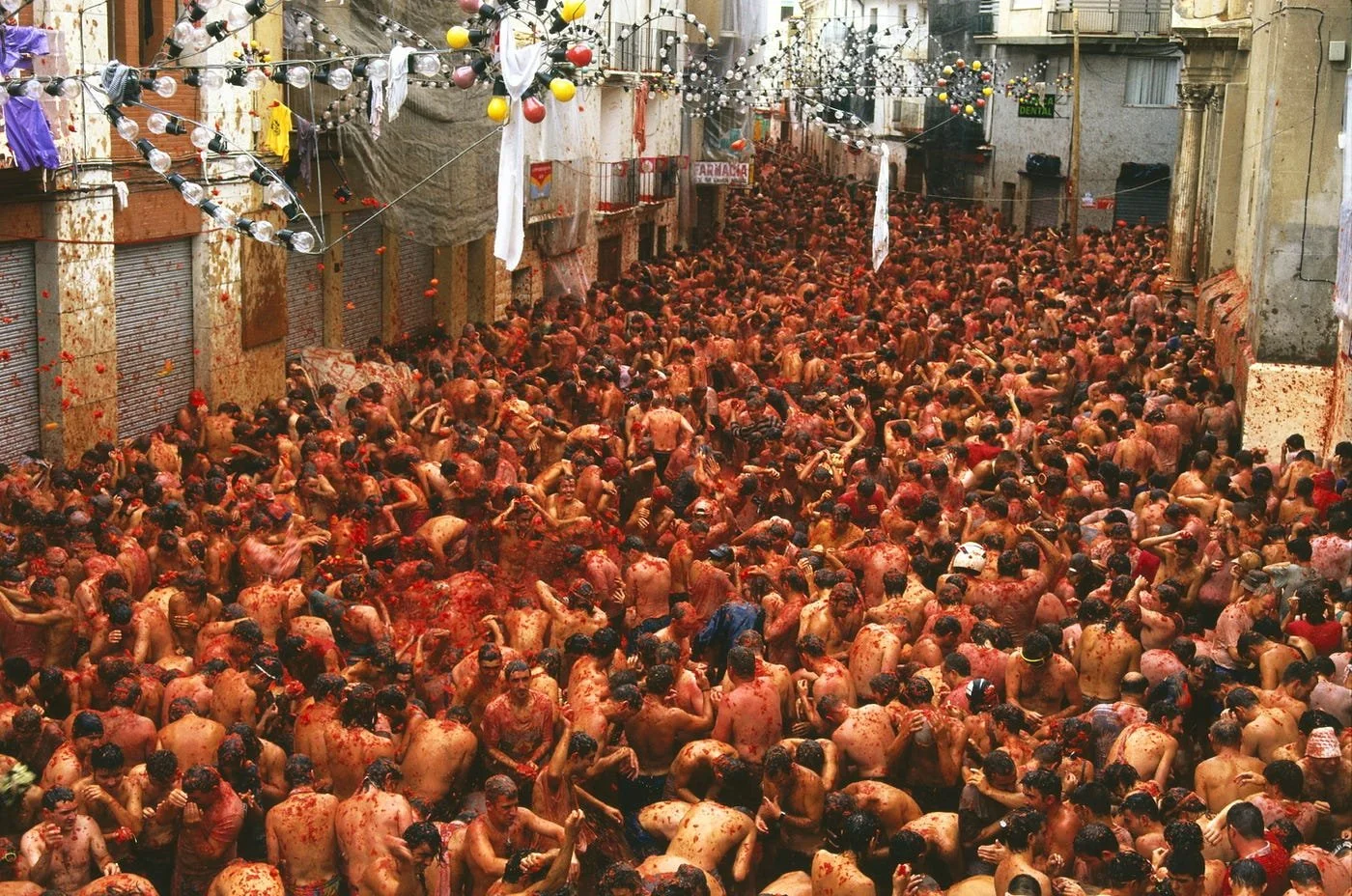
Participants throw thousands of tomatoes at one another for roughly an hour, transforming streets into rivers of red pulp. The tradition began as a spontaneous food fight in the 1940s and eventually evolved into one of Spain's most famous tourist attractions. Today attendance is controlled through ticketing to manage the enormous popularity of the event.
It's messy, chaotic, slightly ridiculous, and undeniably fun.
Not every cultural tradition needs a profound meaning.
Sometimes people simply enjoy throwing tomatoes.
Oktoberfest: A Wedding Celebration That Never Ended
Despite its name, Oktoberfest actually begins in September.
The festival traces its roots to 1810, when Munich celebrated the wedding of Crown Prince Ludwig of Bavaria and Princess Therese. What began as a royal celebration evolved into an annual tradition that now attracts millions of visitors.
While many people associate Oktoberfest primarily with beer, the event is also a major celebration of Bavarian culture. Traditional clothing, brass bands, parades, local food, amusement rides, and family events all play a role.
The scale is difficult to comprehend until you experience it in person. Entire sections of Munich seem to revolve around the festival, creating one of Europe's most recognizable cultural events.
If you're dreaming about celebrating Midsummer in Sweden, watching Bastille Day fireworks in Paris, or spending Ferragosto on the Italian coast, it pays to start researching flights early. We personally use SkyScanner to compare airlines, explore flexible date options, and get a quick overview of fares across Europe. It's one of the easiest ways to see what's available before committing to a trip.
Ready to start planning? Check flight prices and explore destinations on SkyScanner and see which European summer celebration fits your travel calendar: https://skyscanner.pxf.io/YVqzbR