

The Holidays That Shape Portugal (June - December)
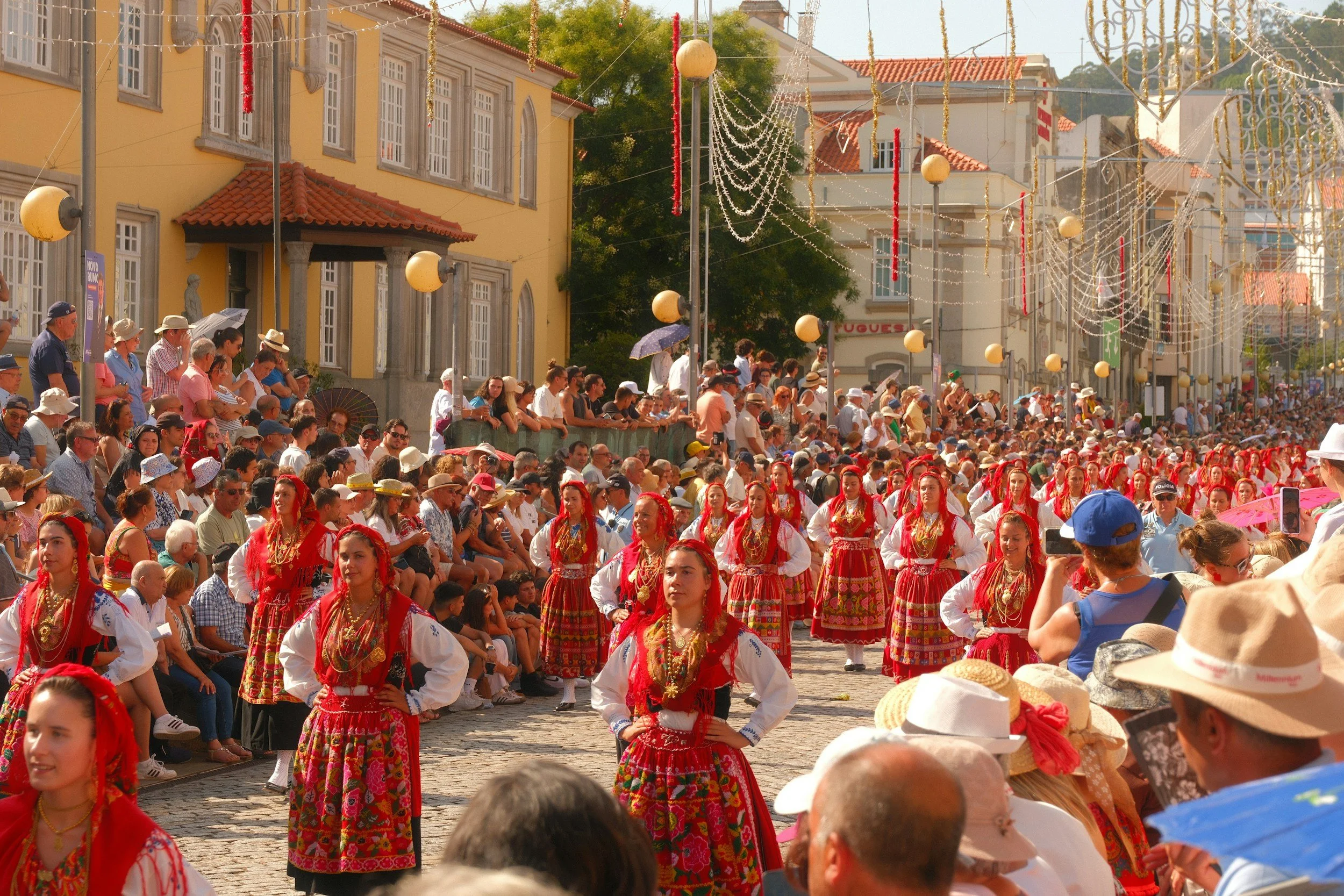
Celebrations in Portugal
Portugal’s calendar is filled with holidays that blend religion, history, and local traditions. Some are marked by solemn reflection, others by lively street parties that last until sunrise. Together, these dates tell the story of Portugal’s identity, from its deep Catholic roots to the political milestones that shaped the nation. Here’s a closer look at some of Portugal’s most meaningful holidays, their origins, and how people typically celebrate them.
Corpus Christi (June 4)
Corpus Christi, or Corpo de Deus, is one of Portugal’s most important Catholic celebrations. The feast dates back to the 13th century, when the Catholic Church established it to honor the presence of Christ in the Eucharist. It was officially introduced in Portugal during the medieval period and quickly became part of the country’s religious calendar.
The most striking tradition associated with Corpus Christi is the elaborate street carpets made of flowers, petals, and colored sawdust. Towns like Tomar are particularly known for these intricate displays, which line the routes of religious processions. Communities spend hours, sometimes all night, preparing them. Church bells ring, processions move slowly through decorated streets, and the atmosphere is both festive and reverent.
These celebrations are a vivid reminder of Portugal’s long-standing Catholic traditions.
Portugal Day (June 10)
Portugal Day commemorates the death of Portugal’s national poet, Luís de Camões, who died on June 10, 1580. Camões is best known for Os Lusíadas, an epic poem celebrating Portugal’s Age of Discoveries. The holiday officially became a national day during the 20th century and today honors Portuguese culture, language, and communities around the world. Celebrations include military parades, presidential ceremonies, concerts, and cultural events.
In cities such as Lisbon and Porto, flags are displayed prominently, and speeches often reflect on Portugal’s history and future. Portuguese communities abroad also organize festivals, reinforcing the holiday’s global significance.
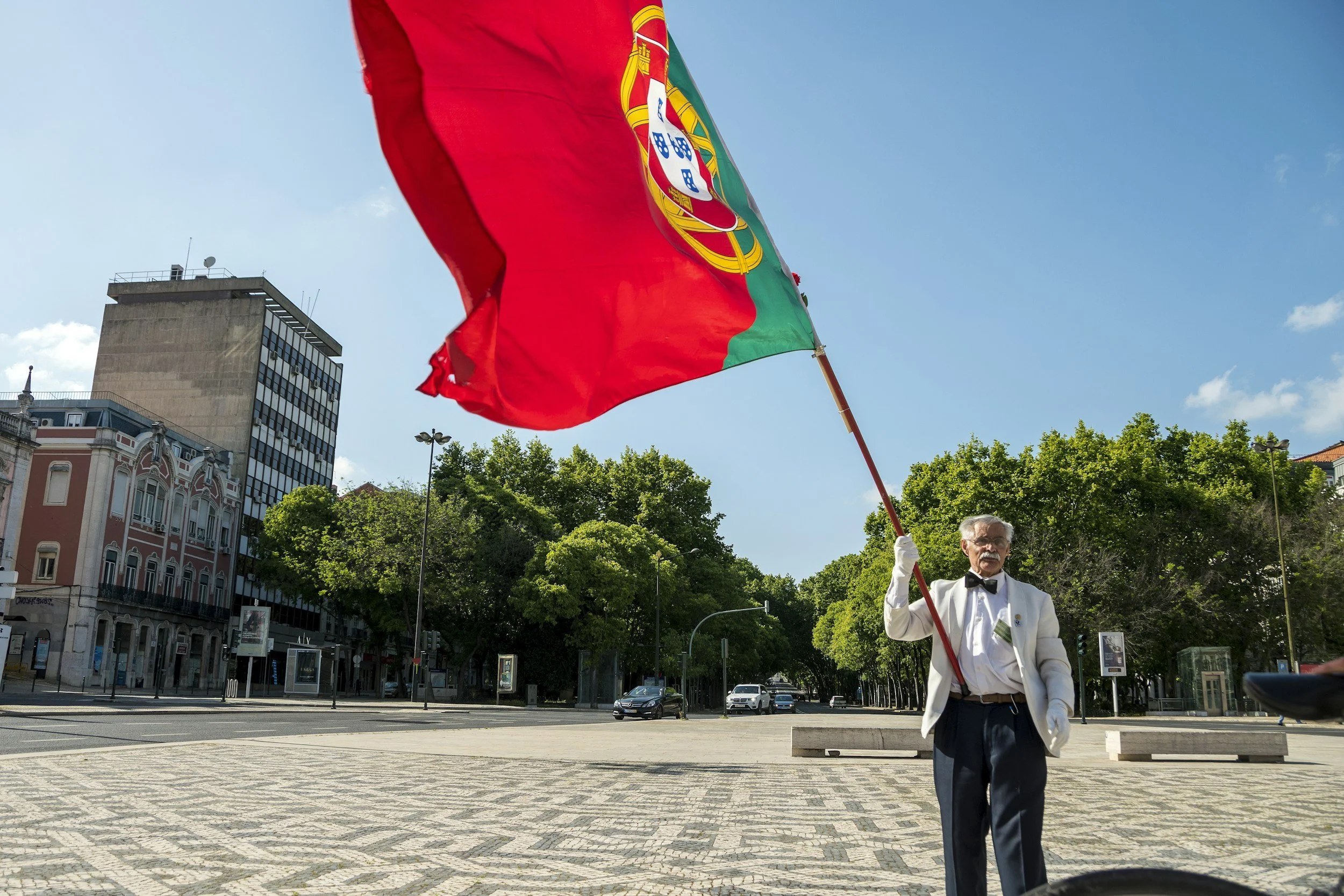
Portuguese flag bearer
Santo António (June 12-13)
The Festas de Santo António are one of Lisbon’s oldest and most cherished traditions, held every June in honor of the city’s patron saint, Saint Anthony of Padua. Although often associated with Padua, Saint Anthony was actually born in Lisbon in the 12th century, and his connection to the city remains deeply important.
The main festivities take place on the night of June 12th, when the streets are decorated with colorful garlands and filled with music, dancing, and the aroma of grilled sardines. One of the most iconic events is the Marchas Populares parade along Avenida da Liberdade, where local neighborhoods compete through costumes, choreography, and song.
Traditional customs also include the Casamentos de Santo António (mass weddings) and the giving of manjericos, small basil plants with romantic poems attached.
Today, Santo António is more than a religious festival; it is a celebration of Lisbon’s history, community, and lively spirit.
São João (June 23–24)
Few Portuguese celebrations are as energetic as São João, especially in Porto. The holiday honors Saint John the Baptist, but many of its customs have roots in older midsummer pagan festivals celebrating fertility and the summer solstice. Over time, Christian and folk traditions merged into the street festival seen today.
On the night of June 23, Porto comes alive with music, fireworks, and crowds filling the streets until dawn. The most iconic custom is playfully hitting people on the head with soft plastic hammers or garlic flowers — a quirky tradition that has become a symbol of the festival. People grill sardines, release illuminated paper lanterns, and gather by the Douro River to watch fireworks. It’s loud, joyful, and one of Portugal’s most unforgettable celebrations.
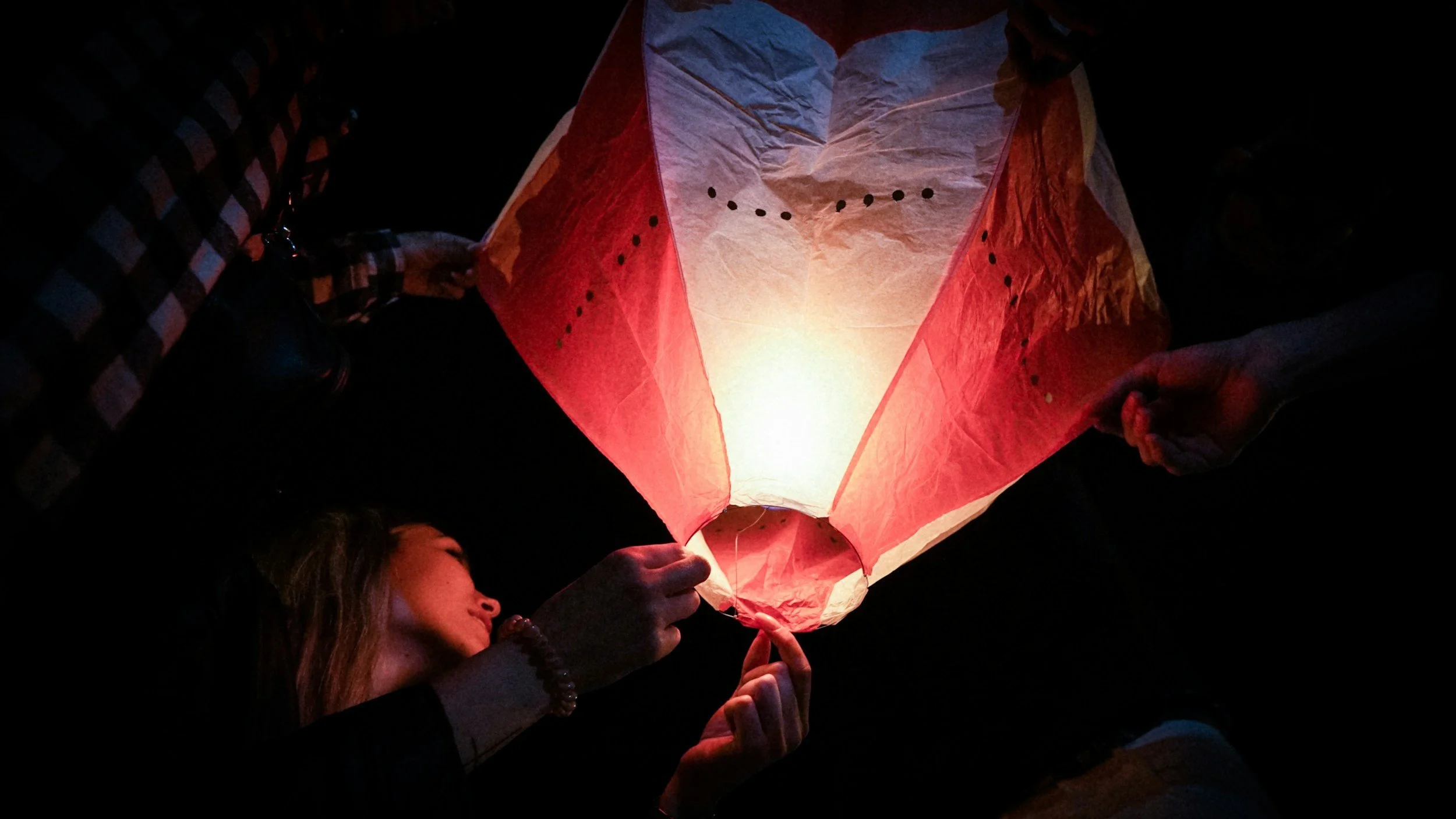
SÃO JOÃO CELEBRATIONS - Lantern lighting
Assumption of Mary (August 15)
The Assumption of Mary celebrates the Catholic belief that the Virgin Mary was taken body and soul into heaven. This feast has been observed for centuries and remains particularly significant in Portugal due to the country’s strong Marian devotion.
It is closely tied to pilgrimage traditions, especially in places like Fátima Sanctuary. Many Portuguese families attend Mass, participate in local processions, and visit shrines dedicated to Mary. In smaller villages, this holiday is often combined with summer festivals featuring communal meals, music, and local fairs.
Republic Day (October 5)
Republic Day marks the revolution of October 5, 1910, which overthrew Portugal’s monarchy and established the Portuguese Republic. This was a turning point in Portuguese political history, ending centuries of royal rule and beginning a new republican era. The day is commemorated with official ceremonies, flag-raising events, and educational programs reflecting on Portugal’s democratic journey.
While it is more solemn than some national holidays, it serves as an important reminder of Portugal’s political transformation. In schools, students often learn about figures like Teófilo Braga, who became the provisional president after the revolution.
All Saints’ Day (November 1)
All Saints’ Day honors all Christian saints, known and unknown. In Portugal, the day is observed quietly and respectfully. Families attend church services and visit cemeteries to clean and decorate graves with flowers, candles, and prayers. A particularly Portuguese custom associated with this period is Pão-por-Deus (“Bread for God”), especially among children. Historically, children would go door to door asking for bread, nuts, and sweets, a tradition dating back to the aftermath of the 1755 Lisbon Earthquake when food donations became essential. Today, children may still collect treats, and bakeries prepare seasonal pastries.
Restoration of Independence Day (December 1)
This holiday marks Portugal’s restoration of independence from Spanish rule in 1640. After 60 years under the Iberian Union, Portuguese nobles led a successful revolt against Spanish Habsburg control, restoring the Portuguese crown under John IV of Portugal. The holiday celebrates national sovereignty and resilience. Official ceremonies, historical reenactments, and patriotic events are held across the country. Though less internationally known, it remains deeply meaningful as a symbol of Portuguese independence.
Immaculate Conception (December 8)
The Immaculate Conception celebrates the belief that the Virgin Mary was conceived without original sin. Portugal has a special connection to this feast because in 1646, King John IV of Portugal proclaimed Mary the patroness and queen of Portugal. Church services and Marian processions are central to the day. Many people attend Mass, and in some towns there are candlelit processions and local religious festivals. The holiday reflects the deep Marian devotion woven into Portuguese spiritual life.
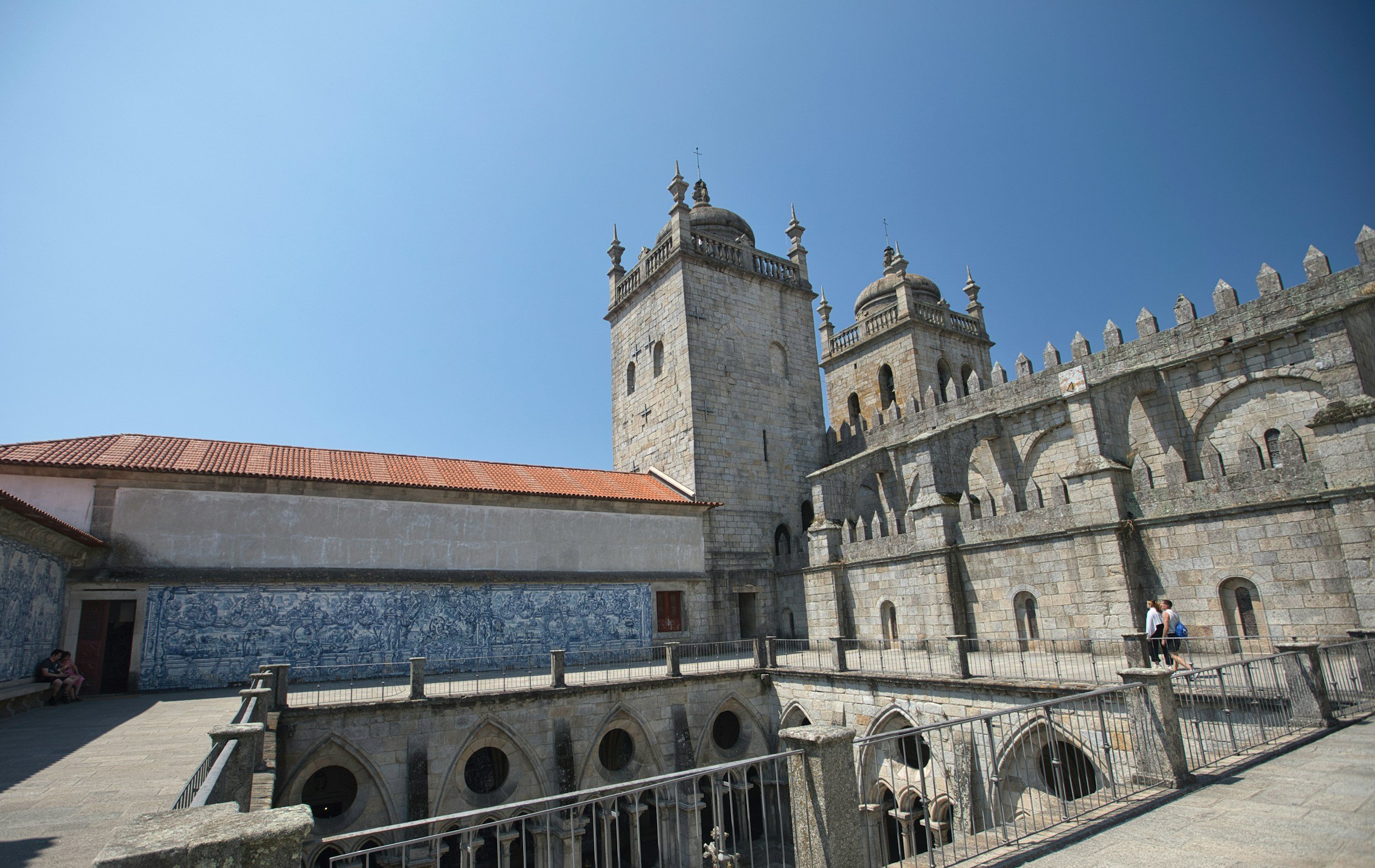
Tomar’s Convent of Christ
Christmas Eve and Christmas Day (December 24–25)
Christmas in Portugal is centered on family, faith, and food. Christmas Eve, known as Consoada, is often the most important celebration. Families gather for a late dinner traditionally featuring salted cod (bacalhau) with boiled potatoes and cabbage. Dessert tables overflow with Portuguese specialties such as Bolo Rei and filhós. Many attend Midnight Mass, known as Missa do Galo, after dinner. Christmas Day is quieter and focused on family gatherings, gift-giving, and extended meals. In many homes, nativity scenes are displayed more prominently than Christmas trees, reflecting Portugal’s Catholic heritage. Portuguese Christmas carries a warmth that feels deeply personal, less commercial, more centered on togetherness and tradition.
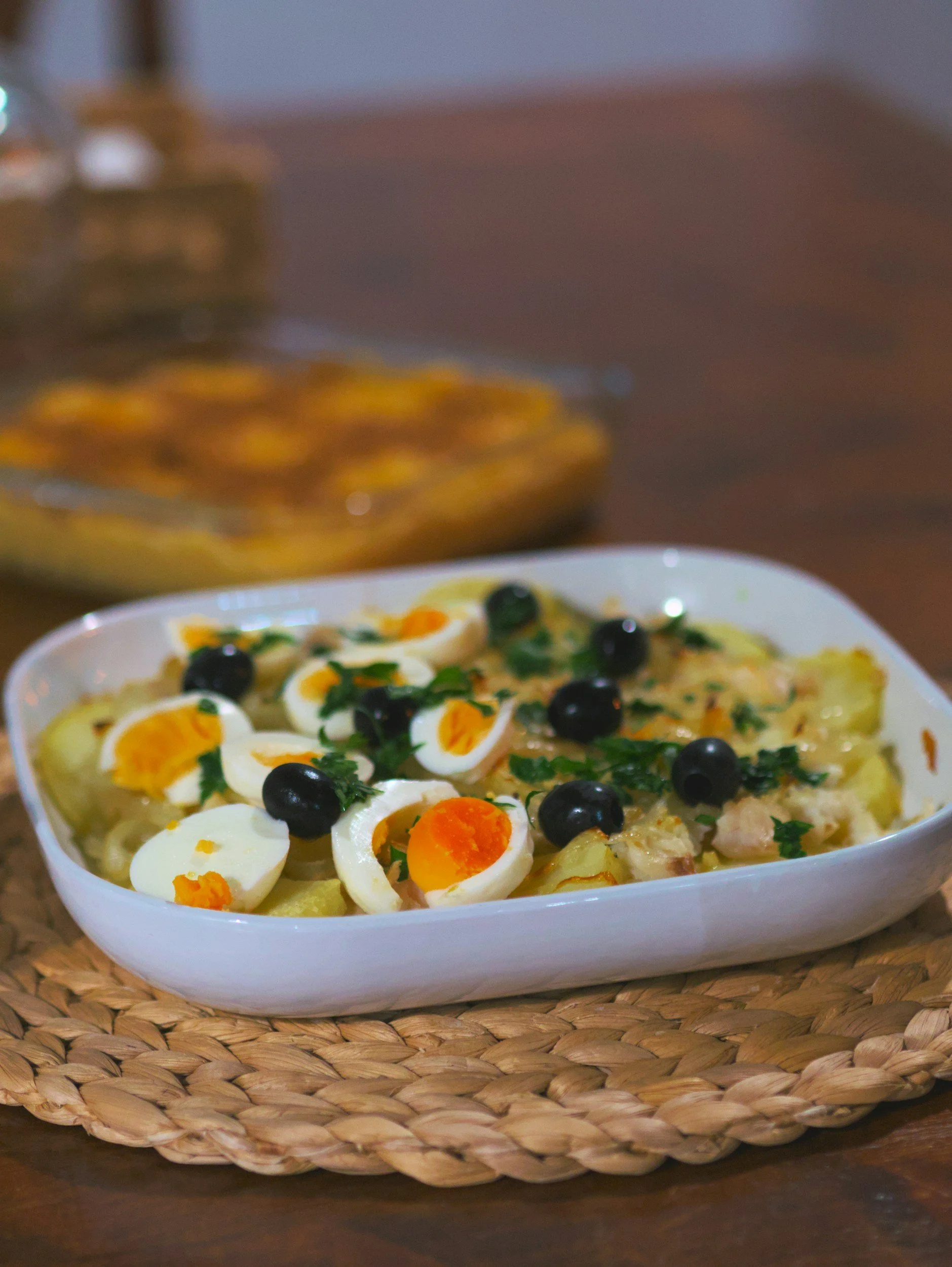
A couple typical Christmas dishes in Portugal
Why These Holidays Matter
Portugal’s holidays offer more than just days off work. They connect people to centuries of faith, resistance, celebration, and community. Whether through flower-covered streets, fireworks over Porto, or quiet candlelit vigils, each holiday reveals a different side of Portuguese identity. To experience Portugal fully, it helps to experience it through its celebrations, because here, history is not just remembered; it is lived.