

Portuguese Holidays and Festivals Explained (January - May)
If you’ve lived in Portugal for long enough, then you might be aware of the fact that Portugal has an unusual amount of holidays and festivals. It’s nice to get the day off (if you work for a Portuguese company), but it would also be helpful to know why there’s a holiday to begin with so you can actually know what is being celebrated.
Portuguese labour law establishes 13 national public holidays that are mandatory throughout the country, but there are a few other holidays that are optional. I will only cover the holidays and festivals from January through May…at least for now.
First up on the holidays is New Years Day. Just a heads up, if you haven’t realized it yet, fireworks are legal in Portugal (although they’re supposed to be “restricted”), and the locals take full advantage of it being legal. Meaning that you can expect to hear fireworks as soon as it hits 12am (or even before), even if you live in a more quiet, suburban neighborhood. You might even hear fireworks going off when it’s not a holiday. I think Portuguese just love fireworks. Well, at least the ones in my neighborhood do. The island of Madeira is very well known for its New Years firework show. If you’re up high enough to watch, you can see them going off all over the island!
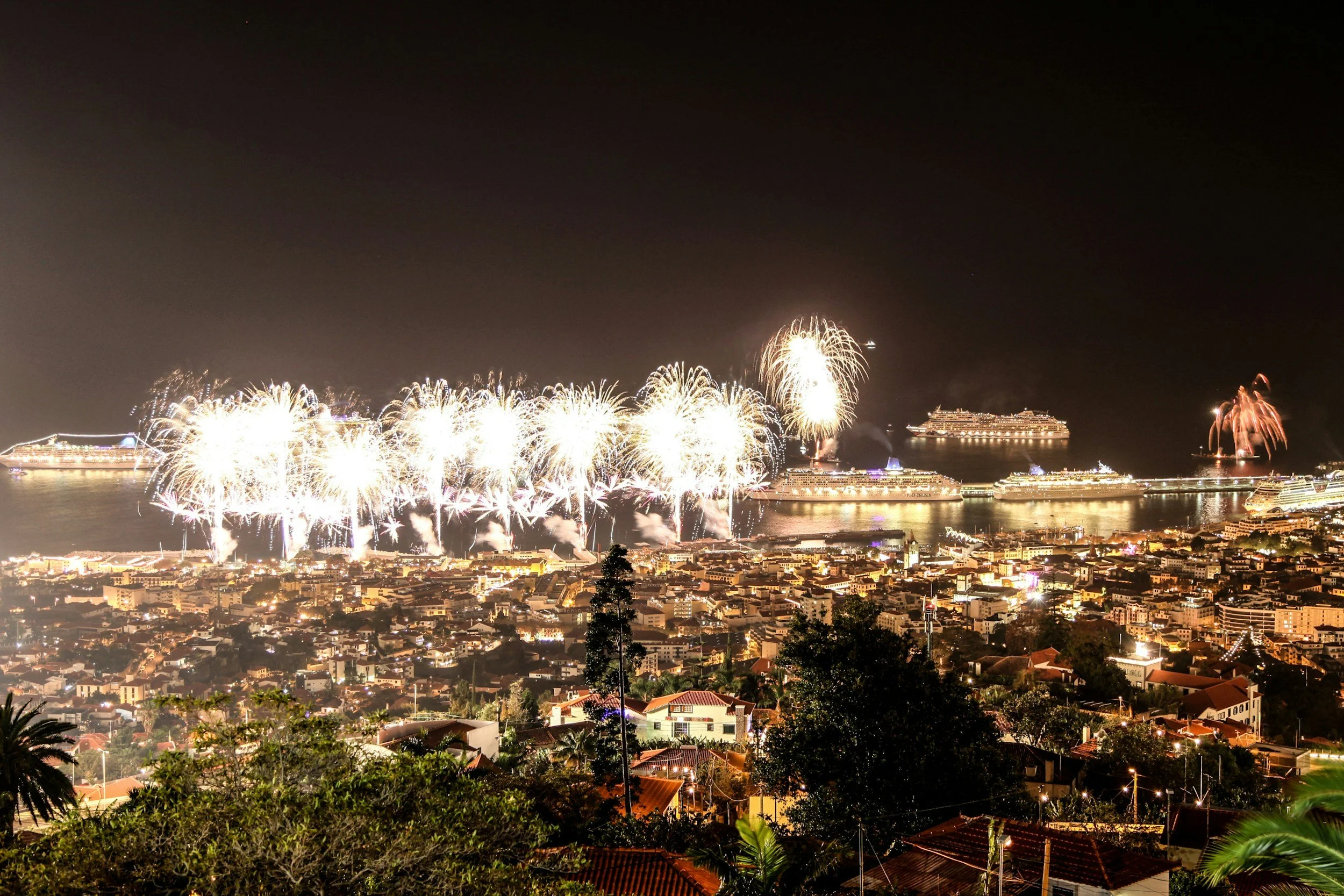
Madeira New Year’s fireworks show
About a week after New Years Day, the Portuguese celebrate “Kings Day”. It is celebrated on January 6th and has been around since the 8th century. It’s a Catholic tradition that honors the Three Wise Men, who, according to the Bible and stories passed down through generations, brought gifts to baby Jesus: gold, frankincense, and myrrh. Each of these gifts has its own meaning, and some are still part of Catholic traditions today. For example, gold can be seen in church buildings and sacred objects, and incense is still used during many religious celebrations.
On January 6th, it’s also common for people to sing the “Janeiras,” which are traditional Christmas songs connected to Christian customs. Groups go from door to door singing, and in return, homeowners invite them in and offer treats like wine and sweets as a thank-you.
In Portugal, Epiphany, known as Dia de Reis, marks the official end of the Christmas season. On this day, the Christmas lights are switched off, decorations are taken down, and trees are packed away, as everyone looks ahead to the new year with hopes of good luck and fresh beginnings.
One Portuguese food that is typically eaten around this time, as well as during the Christmas season, is the “Bolo Rei”. If you’ve been in Portugal around the Christmas season, then you’ve probably seen it in the stores.
Bolo Rei is basically a sweet bread cake made with a light, fluffy dough and topped with candied fruit and a dusting of powdered sugar. It actually lasts quite a while, and if it starts to go a bit dry, the Portuguese have a simple fix, they slice it up and pop it in the oven to toast. It’s especially good that way with a bit of butter, and honestly, people will eat it at pretty much any time of the day.
Personally, I have lived in Portugal for almost 15 years, and I only know two people that like it…and neither of them are Portuguese.
Anyways…
In Portugal, Carnival is one of the biggest festivals of the year and attracts visitors from all over. It usually happens in February, just before Lent starts, marking the end of winter and the beginning of the traditional period when some people give up meat.
Carnival in Portugal is one of those events everyone talks about. It’s all about fun, music, costumes, and of course, plenty of food. It’s also the perfect time to really get a feel for the local culture. Whether you’re just passing through or planning a trip around it, Carnival is an experience on its own and definitely worth it.
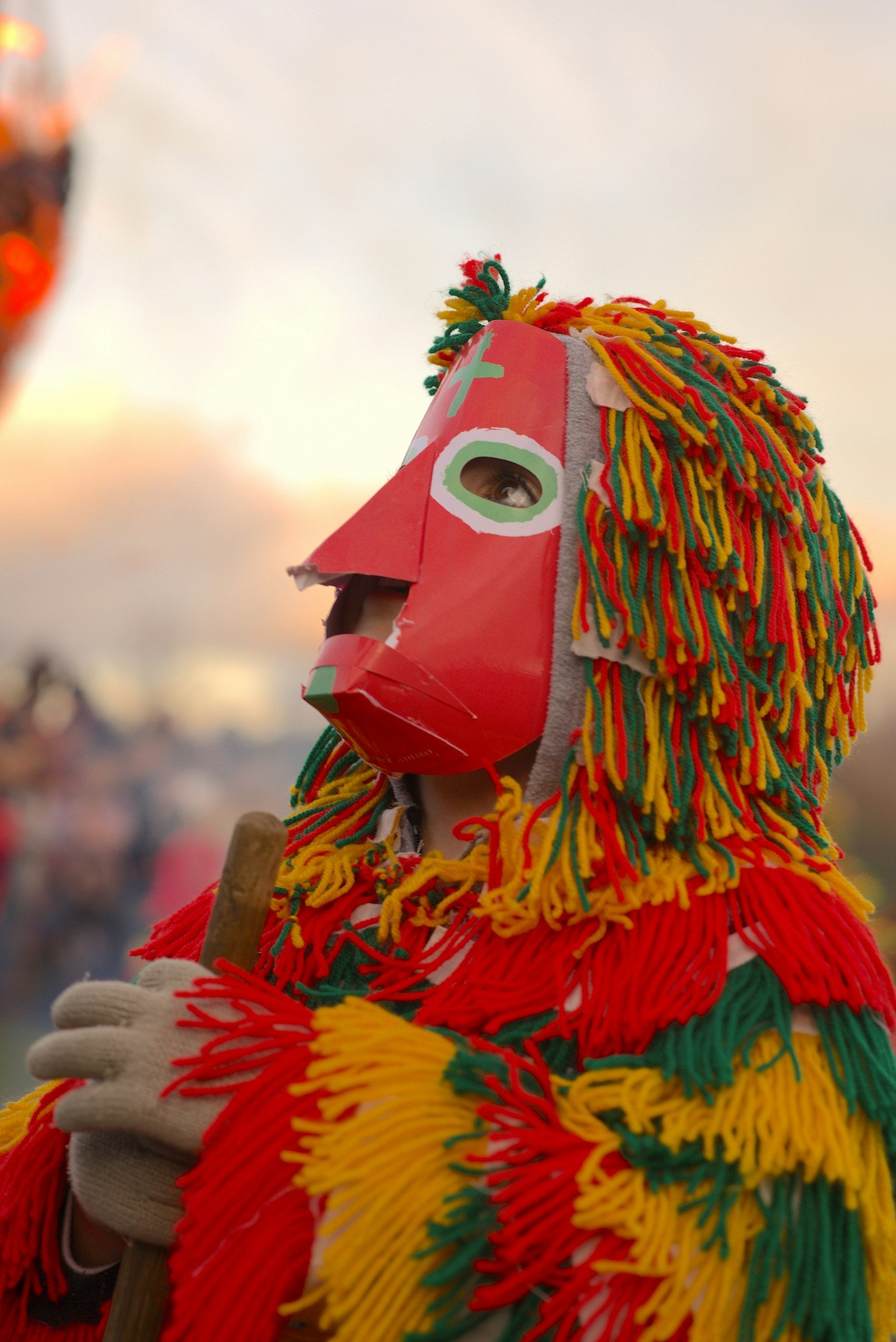
Caretos de Podence
It’s not completely unique to Portugal, though. Like many carnivals around the world, it takes place right before Lent begins. You’ve probably heard of Mardi Gras in Louisiana. Portugal’s Carnival has a very similar vibe. Both celebrations happen before Lent and share that same festive atmosphere, full of parades, costumes, and street parties.
The next national and public holidays on the calendar are Good Friday and Easter. Portugal is a Catholic country, so it takes the religious holidays very seriously.
Easter in Portugal really starts to come alive during Holy Week, the special time in the days leading up to Easter Sunday. Throughout the week, towns and cities fill up with traditional ceremonies, local events, and a strong sense of community that’s been part of Portuguese culture for generations.
Palm Sunday, which marks Jesus’ arrival in Jerusalem, is one of the most meaningful moments of the week. From north to south, you’ll find processions winding through the streets, with people carrying palm and olive branches. It’s a beautiful mix of faith, tradition, and atmosphere, and it attracts plenty of both locals and curious visitors who want to experience it firsthand.
In Portugal, there are plenty of traditional Easter dishes that people love all over the country. The funny thing is, even though the dishes are well known nationwide, every region, and sometimes even every family, adds its own special touch. Recipes get passed down, tweaked, and made personal over the years.
And then there’s the big question: what about chocolate? Does Portugal do Easter eggs? Of course it does. Alongside all the classic sweet and savory foods, chocolate and almonds are a huge part of Easter celebrations.
During Easter, it’s common for grandparents, godparents, and parents to spoil the kids with chocolate eggs in all sizes, chocolate figures like the Easter Bunny, and lots of almonds. There’s also a tradition where godparents give almonds to their godchildren as an Easter gift. You can find them in pretty much every version you can imagine, plain, sugar-coated, chocolate-covered, filled with chocolate, you name it.
On April 25th, 1974, Portugal went through a huge turning point in its history with the Carnation Revolution. This peaceful uprising brought an end to the Estado Novo dictatorship and set the country on the path toward democracy. Today, the date is celebrated every year as Freedom Day, marking the start of a new era of liberty and democratic values.
But why the carnations? The peaceful coup was set in motion through secret radio signals, with songs used as coded messages. The military quickly took control of key locations in Lisbon, and the regime ended when Marcelo Caetano surrendered. As a symbol of the movement’s peaceful spirit, civilians placed red carnations in the soldiers’ rifles.

Across the country, people commemorate the day with parades, gatherings, and live performances, especially in major cities. It’s a moment of pride and reflection, remembering how change was achieved without widespread violence.
Since it’s a national holiday, many shops and smaller businesses usually close for the day. However, in bigger cities, large supermarkets and major retail stores often remain open, even on the holiday.
Labour Day, which takes place on May 1st, celebrates workers’ rights and their contributions, while also highlighting the ongoing fight for better working conditions. During António Salazar’s dictatorship, it wasn’t observed, but after the Carnation Revolution, it became a public holiday again in 1975.
For many people, it’s simply a day off to relax or go out. For others, it’s a time to protest for fair wages and improved conditions. Some also take the opportunity to enjoy the spring weather with picnics, hikes, or bike rides.
So if you ever find yourself in Portugal during one of these special days, join in. Try the food, watch the parades, sing along if you can. That’s when you’ll really get a taste of what the country is all about.
If you’re planning a move or visit Portugal, make sure to check out Expats Everywhere’s video on the “Top 13 Cities to Live in Portugal”.
If you’ve already decided on where you’d like to live, but need to know the next steps to actually get there, you can book a consultation with Kalie, a moving-to-Portugal expert, here: https://calendly.com/expatseverywhere.