

The Problems People Don't Discover Before Moving
This article is based on a conversation from the Expats Everywhere Podcast. Some sections have been edited for clarity and readability, but the ideas and advice come directly from the discussion. If you'd rather watch or listen to the full conversation, you can do that here: https://www.youtube.com/watch?v=6b_y_agoZvQ
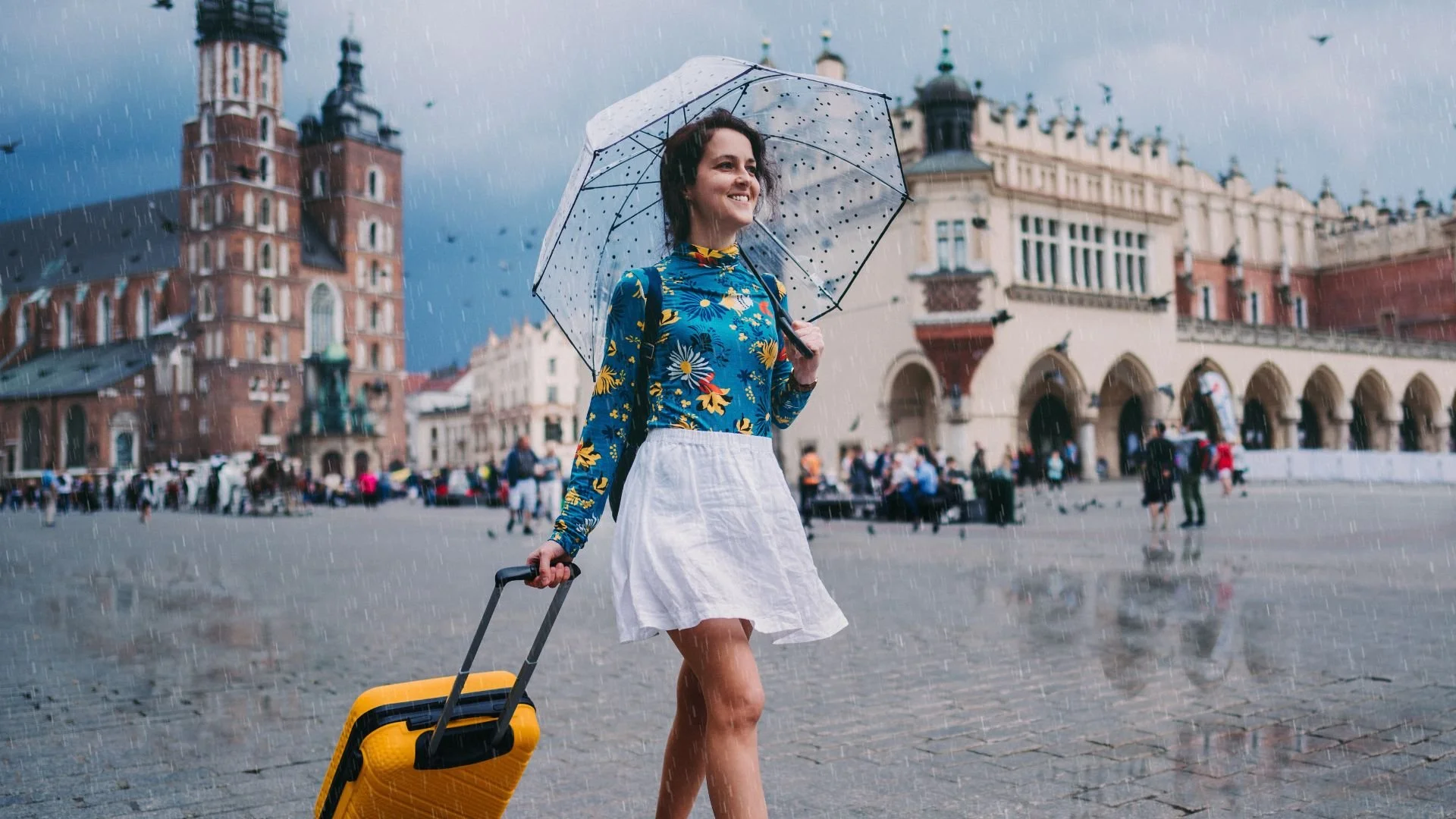
Moving abroad is exciting. Between researching visas, selling your house, packing your belongings, and saying goodbye to family and friends, it's easy to feel like you've covered everything on your checklist.
But once you've actually made the move, that's often when the unexpected challenges start to appear.
On a recent episode of the Expats Everywhere Podcast, we sat down with Dallas, an American who has been living in Portugal for nearly a decade. Over the years, he's helped countless people navigate the move overseas, and he's noticed a pattern: most people spend months planning the big things but overlook the smaller details that can become major headaches later.
Choosing Where to Live Isn't Always as Easy as It Sounds
One of the first topics we discussed was housing in Portugal.
When most people apply for a visa, they're expected to have a long-term rental contract before they even arrive. On paper, that makes sense. In reality, it's asking people to commit to a town, or even a specific apartment, without ever having experienced what life there is actually like.
You can watch dozens of YouTube videos, read countless blogs, and spend hours looking at Google Maps, but none of that tells you what a place feels like once you're living there.
Many expats discover after a few months that the town they originally chose isn't the best fit. Maybe they realize all of their friends live somewhere else. Maybe they find the winters colder than expected, or the community quieter than they imagined. Others simply discover that another city better matches the lifestyle they were hoping for.
Dallas has watched this happen time and time again.
People move to one part of Portugal because it looked perfect online, only to find themselves wanting to relocate a year later. It's one of the reasons he believes newcomers should have as much flexibility as possible during their first year in the country.
Family Has a Way of Changing Your Plans
After helping expats for so many years, Dallas has also noticed another common trend.
Many people arrive in Portugal convinced they'll never move back to the United States.
Then life happens.
Parents get older. Grandchildren are born. Adult children need help around the house. Suddenly, being an ocean away from family feels much different than it did when the move was first planned.
In his experience, family is one of the biggest reasons people eventually return home. It doesn't mean the move abroad was a mistake—it simply reflects how priorities can change over time.
It's an important reminder that moving overseas doesn't have to be an all-or-nothing decision. Life evolves, and your plans may evolve with it.
The Hidden Problem Nobody Warns You About

One of the biggest surprises for new expats isn't immigration paperwork or learning a new language.
It's mail.
Most people assume they can simply forward their mail and be done with it.
Unfortunately, it's rarely that simple.
Banks, insurance companies, investment accounts, and government agencies are becoming much stricter about the types of addresses they'll accept. Many now recognize commercial mailbox addresses automatically, even if someone tries to disguise them as apartment numbers.
As a result, some Americans living overseas have received requests to update their address or risk having certain services restricted.
That's why having a long-term plan for your U.S. address is becoming increasingly important.
WorldPost can make this process a whole lot easier. They provide virtual mailboxes and mail forwarding, so instead of relying on family or friends to check your mailbox, you can have your mail received, scanned, forwarded, or even shredded for you. It’s especially handy for expats, digital nomads, and anyone living outside the U.S. who wants a simple way to keep their important mail under control.
Check out WorldPost at worldpost.io, or contact Kalie at info@expatseverywhere.com for more information.
Your Phone Number Matters More Than You Think
Another issue that catches people off guard is two-factor authentication.
Many financial institutions still rely on sending verification codes to a U.S. mobile number. If you cancel your American phone before moving abroad, you may discover later that you can't log into your bank account, investment account, or even certain government websites.
Dallas recommends setting up a long-term solution before leaving the United States instead of trying to solve the problem after you've already arrived overseas.
It's one of those details that's easy to ignore—until you're locked out of an account and desperately trying to receive a verification code from another country.
Don't Wait Until You're on the Plane
Perhaps the biggest takeaway from our conversation was how many people wait until the very last minute to think about these logistics.
The weeks before an international move are hectic.
You're selling your home, closing utility accounts, visiting family, organizing paperwork, and trying to squeeze your entire life into a handful of suitcases.
Naturally, things like mail forwarding or updating financial institutions get pushed to the bottom of the list.
Then, a month after arriving abroad, refund checks start showing up at your old address. A replacement credit card gets mailed to the United States. Your bank wants to verify your identity. Suddenly, what seemed like a minor detail becomes a major inconvenience.
Planning ahead can save an incredible amount of stress later.
Be Careful Where You Get Your Advice
We also talked about one of the most popular resources for future expats: Facebook groups.
While these communities can be helpful, Dallas encourages people not to treat every comment as fact.
Immigration rules change frequently, and everyone's situation is different. Advice that worked for one person two years ago may no longer apply today.
Instead, it's worth checking multiple sources, verifying information with professionals when necessary, and looking for people who have real experience with the issue you're researching.
It's also important to remember that artificial intelligence is becoming a larger source of information online. While AI can be incredibly useful, it sometimes repeats outdated or incorrect information that originated elsewhere on the internet.
Doing a little extra research can prevent a lot of frustration down the road.
The Bottom Line
Moving abroad is one of the most rewarding experiences you can have, but it's often the smallest details, not the biggest decisions, that create the most stress.
Choosing where to live, maintaining access to your U.S. financial accounts, keeping a reliable mailing address, and planning for your digital security aren't the most exciting parts of relocation, but they're some of the most important.
The more of these issues you can solve before boarding your flight, the smoother your transition will be once you arrive.
After all, the goal isn't just to move abroad. It's to enjoy your new life without constantly worrying about the things you left behind.
This article is based on a conversation from the Expats Everywhere Podcast. Some sections have been edited for clarity and readability, but the ideas and advice come directly from the discussion. If you'd rather watch or listen to the full conversation, you can do that here: https://www.youtube.com/watch?v=6b_y_agoZvQ